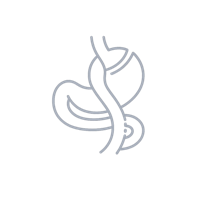
Most performed bariatric procedure worldwide

Gastric Sleeve
in Mexico (Cancún).

Laparoscopic resection of 75–80% of the stomach. The most performed bariatric surgery in the world — and the decision that deserves the most rigor about who holds the scalpel.

2,000+ Procedures
CE 14247260 UNAM cédula
24/7 Surgeon's WhatsApp
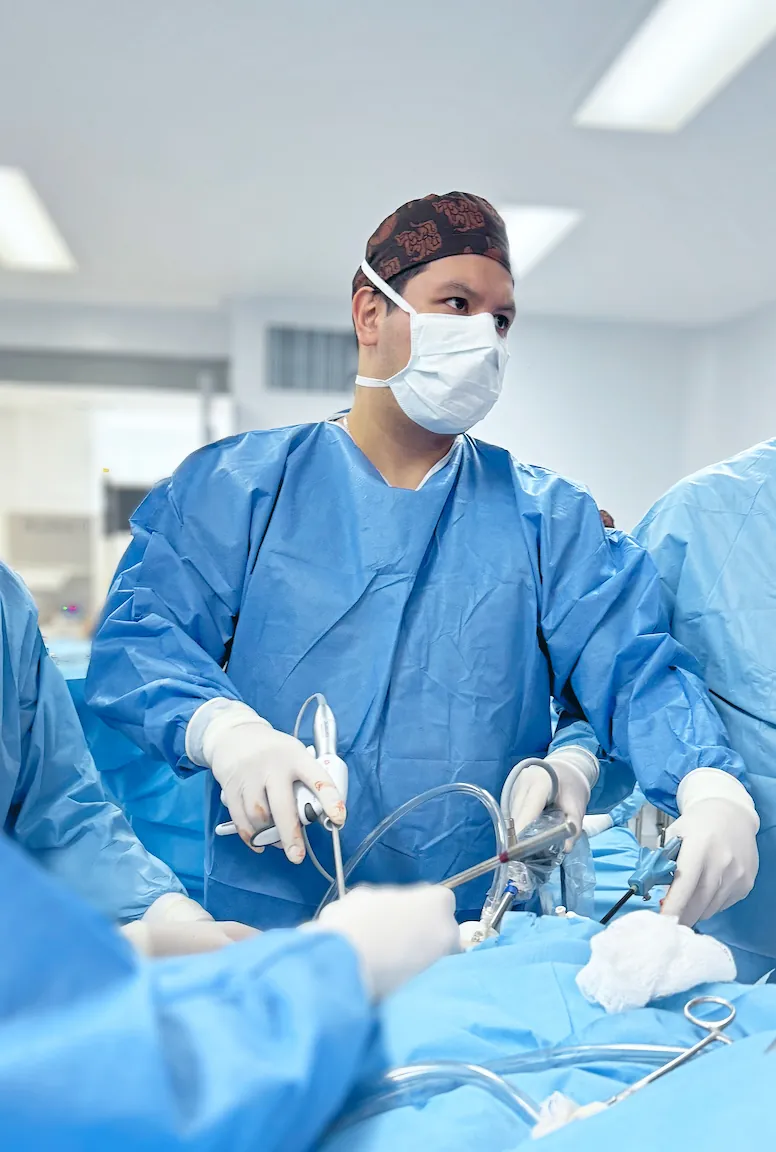
Dr. David Lomelí en quirófano realizando una manga gástrica
In the OR · Hospital Joya, Cancún

01 · What it is

Reduce the stomach to 20%. Then rewrite hunger.

Diagrama del estómago después de manga gástrica
~80% of stomach resected

Sleeve gastrectomy laparoscopically resects approximately 75–80% of the stomach, leaving a narrow tubular sleeve. The result: less gastric capacity — yes — but the real metabolic shift comes from somewhere else.

The segment that gets resected is the gastric fundus, where most of your ghrelin is produced — the hunger hormone. Patients report not just feeling full sooner, but no longer thinking about food the way they used to. This is what separates the sleeve from a gastric band or balloon.

We don't reroute the intestine. We don't move organs. The sleeve is anatomically simpler than a bypass — but it changes your physiology permanently.

02 · Who it's for

Not for everyone. That's why I evaluate you in person.

These are general indications. Real candidacy depends on your medical history, prior weight-loss attempts, and your readiness for the lifestyle changes surgery requires.

≥35

BMI 35 or higher

Class II or III obesity, no comorbidities required. The sleeve is typically first-line when no active metabolic disease is present.

≥30

BMI 30+ with comorbidities

Type 2 diabetes, hypertension, sleep apnea, fatty liver, infertility from PCOS. The sleeve helps — but sometimes bypass is the better metabolic option.

18–65

Age and functional status

Adults in general condition for surgery and anesthesia. Every case goes through pre-op cardiac and anesthesia evaluation with my team.

If you have severe reflux, large hiatal hernia, or active eating disorder, the sleeve may not be the best option. We talk about that before surgery — not after.

03 · The procedure

From first consult to discharge. What happens, step by step.

~60 minutes in the OR · 1–2 nights in hospital
01

Pre-operative evaluation

Cardiology (echocardiogram with Dr. Sharon Valencia), anesthesiology (with Dr. Gonzalo Guajardo), clinical nutrition (Isabel Murra or Mercedes Rullán), and bariatric psychology (Adriana Palacios). Everyone evaluates you before you enter the OR.

02

Surgery day

Laparoscopic operation: 4–5 incisions under one centimeter. Resection of 75–80% of the stomach with stapling and reinforcement. General anesthesia. Approximately 60 surgical minutes.

03

Hospital recovery

1–2 nights in hospital. You'll walk within 24 hours. You start clear-liquid diet. I see you every morning until discharge — not a resident.

04

Post-surgical stay

If you're from outside Cancún, 3 additional days before flying home. Hotel near the hospital (we recommend which), WhatsApp follow-up, fluid monitoring.

05

Dietary protocol

Clear liquids (weeks 1–2) → full liquids (week 3) → puree (weeks 4–5) → soft solids (week 6+). Isabel and Mercedes guide you through every transition. Nothing is improvised.

06

12-month follow-up

In-person or virtual visits at month 1, 3, 6, and 12. Adriana on bariatric psychology when you need her. Direct WhatsApp with me whenever you have a question — regardless of the hour.

04 · Outcomes

What happens when patients follow the program. And what doesn't.

Averages lie in personalized medicine. These are evidence-backed ranges for patients who follow the post-op protocol. Your real outcome we evaluate in consultation.

70–80%

Excess weight loss at year 1

Mean %EWL at 1 year post-op across follow-up studies. At 5 years, typically maintains 50–75% depending on protocol adherence.

~47%

Type 2 diabetes remission

1-year remission rate (Borgeraas 2020 meta-analysis). Gastric bypass has stronger metabolic effect (~57%) — that's why we evaluate which procedure fits your case.

~70%

Sleep apnea improvement or remission

Symptomatic improvement at 6 months post-op. Complete remission is less frequent — around 50%.

Sources: Eisenberg et al. (2022 ASMBS/IFSO Guidelines for MBS Indications, SOARD); IFSO 8th Global Registry Report (2023); Borgeraas et al. (Obesity Reviews 2020 meta-analysis, RYGB vs SG for T2D remission).

05 · Cost

I don't publish prices. Here's why.

Each case has a different risk profile, hospital choice, length of stay, and follow-up program. Publishing a single number would be dishonest — it would either undersell complex cases or overprice simple ones.

WhatsApp me your weight, height, and any medical conditions. I respond within 24 hours with a real quote, hospital recommendation, and financing options if you need them.

Get a quote on WhatsApp →

06 · Sleeve vs Bypass

Which one? Depends on what you bring.

Gastric Sleeve · This page

When the sleeve wins

  • No type 2 diabetes, or diabetes with less than 5 years' evolution.
  • No severe gastroesophageal reflux or grade C/D esophagitis.
  • You want the bariatric procedure with the lowest technical complexity.
  • You don't want to alter intestinal absorption of chronic medications.
  • You're a candidate for eventual conversion to bypass if results aren't enough.
Gastric Bypass

When bypass wins

  • Long-evolution type 2 diabetes — bypass has stronger metabolic effect.
  • Severe reflux — bypass resolves it, sleeve can worsen it.
  • BMI ≥ 50 — where weight loss needs to be more aggressive.
  • Prior sleeve failure or previous bariatric surgery with weight regain.

Ask me about Gastric Bypass on WhatsApp →

07 · Frequently asked

What patients ask the most. Honest answers.

Patients who follow the post-op protocol lose on average 70–80% of excess weight at 1 year (prospective follow-up studies). At 5 years, results typically maintain 50–75% depending on adherence. Your outcome depends on your starting BMI, adherence to the nutritional plan, and physical activity. Fastest loss is in the first 6 months; weight stabilizes around month 18.
Most candidates have a BMI of 35 or more, or BMI 30+ with comorbidities like type 2 diabetes, hypertension, or sleep apnea. But candidacy is more than a number — it includes your medical history, prior weight loss attempts, and your readiness for lifestyle changes. WhatsApp me your weight, height, and conditions — I'll tell you whether a consultation makes sense, even if the answer is "not yet."
Varies by hospital (Joya, Amerimed, or Galenia), length of stay, and follow-up program. I don't publish a single number because it would be dishonest — it would either undersell complex cases or overprice simple ones. WhatsApp me for a real quote within 24 hours, along with financing options if you need them.
1–2 nights in hospital, then 3 additional days in Cancún before flying home if you're from outside. Most patients return to office work in 2 weeks and physical activity in 4–6 weeks. WhatsApp open 24/7 from the moment you wake up in recovery — no call centers, no coordinator with a script.
Safety in bariatric surgery comes from three things: surgeon credentials, hospital accreditation, and the post-op program. Not the country. I'm board-certified by CMCOEM (Mexican Board of Bariatric and Metabolic Surgery), active member of ASMBS and IFSO, and I operate in accredited hospitals (Joya in the hotel zone, Amerimed and Galenia in the city center). My credentials are verifiable on each institution's public registry.

Next step

Not publishing prices means you have to write me. Which is exactly the point.

WhatsApp me your weight, height, and any medical conditions. I respond personally with a procedure quote, hospital recommendation, and financing options if you need them.

Reply within 1 hour · 24/7
WhatsApp Dr. Lomelí — 24/7